Flip Cocktails: The Traditional Egg-Based Drink Category Conquers Modern Bars
News News blog
Flip cocktails are currently experiencing a remarkable comeback on the international bar scene. This traditional drink category, which has its roots in the 17th century, is once again delighting bartenders and guests alike with its creamy texture and exceptional flavor.
The Fascinating History of the Flip
The flip was first mentioned in North America in 1690 and became one of the most popular drinks of the 18th century. At that time, it was based on rum, strong beer, and sweetening ingredients like molasses. What made it special: a red-hot iron, known as the “loggerhead,” was dipped into the mixture. This not only generated heat but also created the characteristic caramelized flavor.
With the American Revolutionary War, rum lost its significance, and with it, the traditional flip. The modern flip, however, continued to evolve: beer disappeared from the recipe, and eggs and more sugar were added instead.
The Essential Flip Ingredients
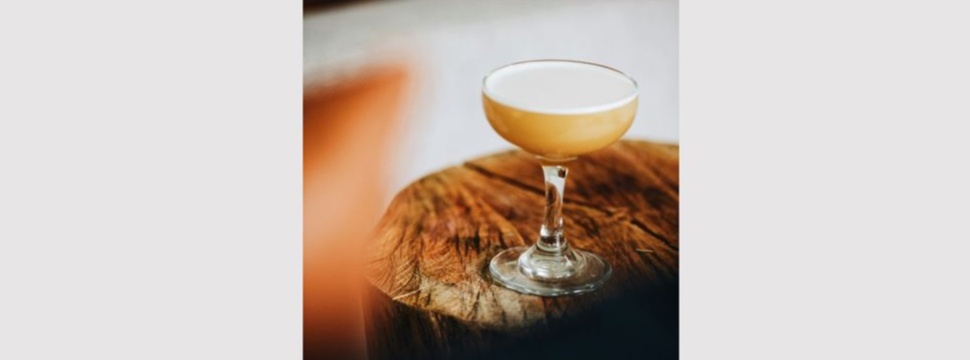
Today, a flip is defined by its core ingredients: sweet wine or brandy form the alcoholic base, while egg yolks or whole eggs create the characteristic creamy texture. Unlike eggnogs, flips contain no milk or cream at all. Sugar and, often, grated nutmeg round out the flavor profile.
Popular flip variations
As early as 1887, Jerry Thomas documented various flip recipes in his legendary bar book. Classics include the Brandy Flip with brandy, the Port Wine Flip with port wine, and the Sherry Wine Flip. Modern variations include the Champagne Flip or even non-alcoholic versions with coffee or fruit juices, such as the Banana Flip.
Renaissance in Modern Bars
Flips are currently enjoying a renaissance as bartenders increasingly return to artisanal cocktail traditions. The creamy texture and complex flavor profile align perfectly with the trend toward sophisticated, less-sweet cocktails. Especially in craft cocktail bars, guests appreciate the exceptional mouthfeel and historical significance of this category of drinks.