Winter Beverages: A Sunny December Dampened Demand
News General news
No Advent or Christmas season is complete without mulled wine and other seasonal drinks. They’re as much a part of the season as flip-flops are to summer. In addition to classic mulled wine made from grapes, fruit mulled wines also have a long tradition in Germany. They’re made from fruit wine. Blueberry, cherry, apple, and mixed berry mulled wines are particularly popular.
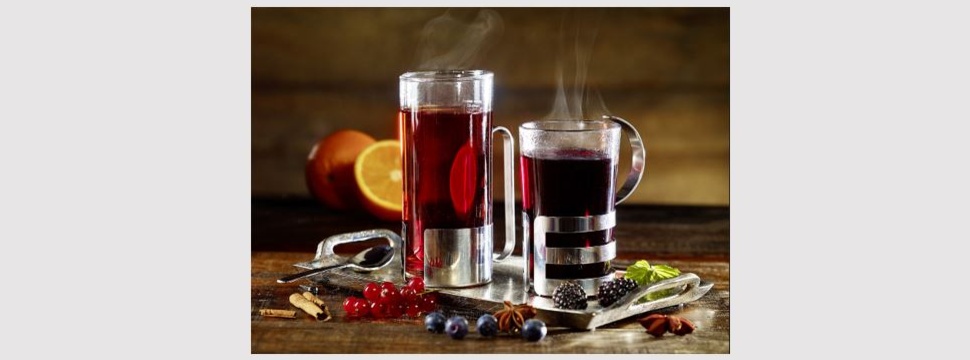
“Fruit mulled wines have long held a firm place in stores and at Christmas markets. However, 2025 was not an easy year for the entire category of seasonal hot beverages,” summarizes Klaus Heitlinger, managing director of the Association of the German Fruit Wine and Sparkling Fruit Wine Industry (VdFw). According to VdFw data, domestic sales of fruit mulled wine declined by 11 percent in 2025 compared to the previous year, from 10.1 million liters to 9 million liters. This development is in line with the trend across the entire mulled wine market: According to data from Circana, the mulled wine and punch category saw a 10.3 percent decline in volume in food retail in 2025.
“The mild temperatures during the pre-Christmas period—which is crucial for the mulled wine season—had a significant impact on the 2025 results,” explains Heitlinger. The German Weather Service (DWD) reported that December 2025 was one of the sunniest Christmas months since records began in 1951. Temperatures were at times spring-like.
The VdFw also attributes the market trends to general consumer caution and the industry-wide trend toward reduced consumption of alcoholic beverages. “Our industry is responding creatively to the changing conditions. The emotionally charged pre-Christmas season continues to offer great potential,” emphasizes Heitlinger. New approaches include, for example, winter cider and products designed as aperitifs.
Domestic sales of apple and fruit mulled wine:
2017: 9.2 million liters
2018: 9.4 million liters
2019: 9.4 million liters
2020: 6.8 million liters (COVID-19)
2021: 9.5 million liters
2022: 11.7 million liters
2023: 10.9 million liters
2024: 10.1 million liters
2025: 9.0 million liters