Escorial Green: A Traditional Herbal Liqueur with History
News News blog
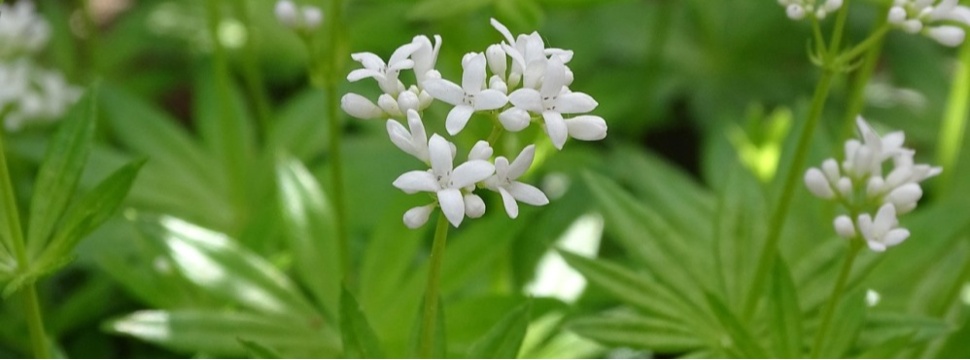
Escorial Green is a high-proof herbal liqueur with a long tradition in Germany. The slightly sweet liqueur with its characteristic woodruff flavor was first introduced to the market in 1910 by the Anton Riemerschmid company group. Robert Riemerschmid is considered its inventor, while Georg Hemmeter is named as the sole manufacturer on the label.
History and Popularity
The green herbal liqueur experienced its first surge in popularity in the 1920s, parallel to the absinthe boom. Escorial Green reached its second peak phase from the 1950s to the late 1970s, when it was considered a cult drink.
The name of the liqueur is presumably a marketing reference to the Spanish town of El Escorial with its monastery residence – similar to the French Chartreuse liqueur, which Escorial Green was modeled after.
Characteristics and Enjoyment
With its considerable alcohol content of 56% vol., Escorial Green is among the higher-proof liqueurs. This property makes it special: When fresh ice is added and lit, the liqueur burns – a popular drinking ritual among connoisseurs. Escorial Green is also excellent for flambéing.
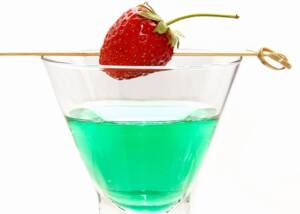
Although the liqueur can be enjoyed neat, it is also popular as an ingredient in various cocktails. Its characteristic woodruff flavor and slight sweetness give mixed drinks a special touch.
Variants
Interestingly, until the 1960s there was also a yellow Escorial with a milder alcohol content of 43% vol. This variant is considered the original version of the liqueur.
Today, Escorial Green continues to be produced by Georg Hemmeter GmbH and Underberg AG, after the Riemerschmid company group became part of Underberg AG in 1996. While the herbal liqueur no longer enjoys the popularity of earlier decades, it still has a place in bar culture and among lovers of traditional spirits.