Laying the foundation: The right food before alcohol prevents hangovers
News News blog
A “good foundation” before drinking is more than just a myth. Experts confirm: Eating the right food before drinking alcohol can actually prevent a hangover or at least significantly reduce its severity.
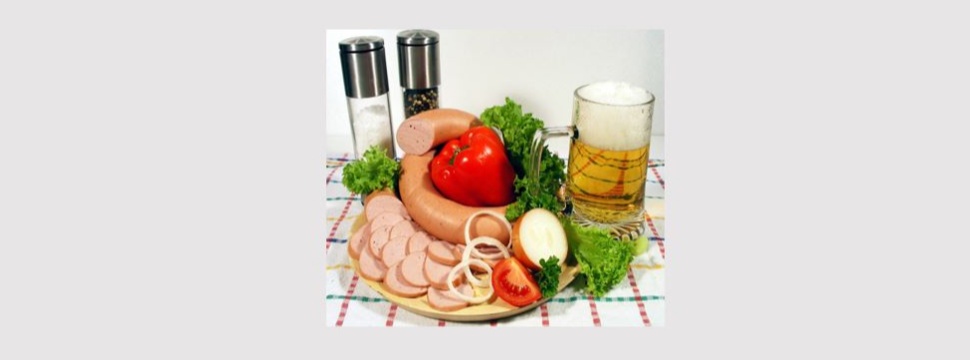
What should you eat before drinking?
British doctor Dr. Karan Rajan recommends meals that are rich in fat, protein, and fiber. This combination of nutrients delays the release of food from the stomach and ensures that alcohol enters the bloodstream more slowly.
The German Nutrition Society (DGE) confirms this recommendation. Antje Gahl from the DGE recommends substantial meals such as:
• Bratwurst with potato salad
• Lasagna or pasta salad
• Egg dishes
• Cheese and high-fat snacks
Why does this work? Fat and calories significantly slow down alcohol absorption. This means that the alcohol level in the blood rises more slowly.
How long before drinking should you eat?
You should eat a proper meal at least 30 to 60 minutes before your first drink. This gives the body enough time to stimulate digestion and fill the stomach.
Does eating help while drinking?
Yes, definitely! You can also take countermeasures while consuming alcohol. Suitable snacks include:
• Peanuts
• Cheese bites
• Olives
• Other high-fat and high-protein snacks
These slow down further alcohol absorption and can mitigate the effects.
What you should avoid
Dr. Rajan warns against a widespread myth: eating cheese does not “line” your stomach. You should also be careful with:
• Non-alcoholic mixed drinks without calories
• Sparkling wine and carbonated drinks
• Sugar-rich alcopops
These drinks accelerate alcohol absorption because they increase blood flow to the stomach lining.
Additional tips for a hangover-free morning
• Drink water regularly throughout the evening
• Avoid mixing different types of alcohol
• Drink plenty of water before going to bed and the next day
• Compensate for fluid loss with salty foods or vitamin-rich juices