Disposing of waste glass correctly: why color separation is important
News News blog
Separating waste glass often causes confusion. Many people ask themselves: Is color separation really necessary? The answer is: Yes, definitely! Correctly separating waste glass by color is crucial for successful recycling.
Why color separation is essential for waste glass
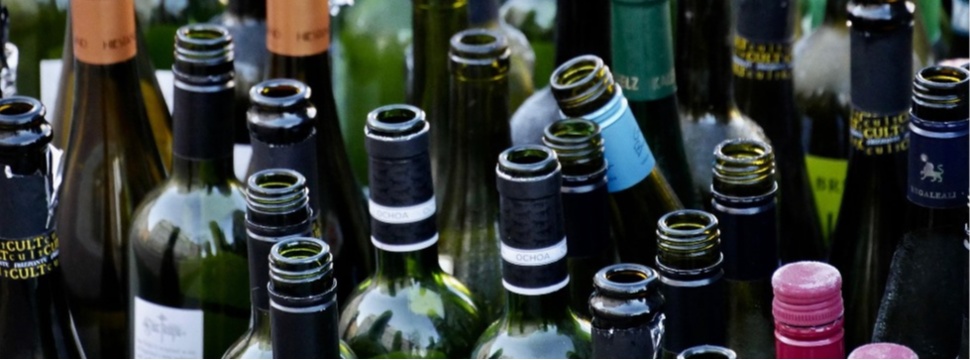
Glass can be recycled as often as desired without losing quality. Color purity is the be-all and end-all. The glass industry needs pure material to produce new bottles and jars in the desired color. Even small amounts of the wrong colors can render entire batches unusable.
Contrary to persistent rumors, the different glass colors are not mixed together. Special collection vehicles have three separate compartments for white, brown, and green glass. Each container is emptied into the appropriate compartment.
Disposing of blue glass correctly: into the green glass container
Prosecco bottles and other blue glass belong in the green glass container. This rule applies to all glass colors except white and brown. Green glass tolerates color contamination best, as different shades can be mixed well during melting.
Rule of thumb for disposal:
• White/clear glass: White glass container
• Brown glass: Brown glass container
• All other colors (green, blue, red, yellow): Green glass container
Consequences of incorrect glass disposal
Incorrectly sorted glass can cause significant problems. White bottles with brown glass shards take on an undesirable color cast. Brown glass is particularly sensitive to contamination. In the worst case, entire container loads have to be sorted out as unusable.
So-called impurities such as porcelain, ceramics, lead glass, or automotive glass are particularly problematic. These materials have different melting points and can significantly disrupt glass production. Even small quantities are enough to destroy entire batches.
Environmental benefits of correct glass recycling
Proper glass recycling significantly protects the environment. Melting down waste glass saves around 25 percent energy compared to new production from raw materials. In addition, the costly processing of quartz sand, soda, and lime is no longer necessary.
Today, almost 90 percent of collected waste glass is successfully recycled. This high rate is only possible through consistent color separation.
Proper glass disposal is a simple contribution to environmental protection. With the right color separation, you support recycling and conserve valuable resources.