Russian Caravan Tea: A Tradition with a Smoky Aroma from the Silk Road
News News blog
Russian Caravan Tea is a special tea blend with a distinctive smoky aroma that owes its origins to the historic trade between China and Russia. This traditional blend tells the story of centuries-old trade routes and culinary coincidences.
What is Caravan Tea?
Caravan Tea refers to tea blends made from Chinese teas, which usually contain Tarry Lapsang Souchong—a tea with a distinct smoky aroma. The name comes from the caravans that transported the tea overland from China to Russia. Alternatively, varieties without a smoky aroma are offered as Samovar Tea.
Modern Russian blends often consist of Ceylon High Growns and China Black, or combine Keemun, Darjeeling, and Assam teas into harmonious compositions.
The Historical Origins
While England dominated the maritime trade in tea, Russian merchants developed the overland route as an alternative. The route stretched over 9,000 kilometers from China through Mongolia and Siberia to the Black Sea or the Baltic Sea coast. This journey took up to six months—significantly longer than the sea route.
For the expensive overland transport, merchants selected only the finest tea grades. The tea was transported as practical brick tea, which was easier to pack than loose tea.
The characteristic smoky aroma
The typical smoky aroma arose by chance: during nightly rest stops, the tea was stored near the campfires, causing smoky aromas to transfer to the tea leaves. What was initially considered a flaw developed into a prized characteristic of caravan tea.
Today, this aroma is intentionally created by smoking the tea over special woods that impart spicy smoky notes.
Preparation and Enjoyment
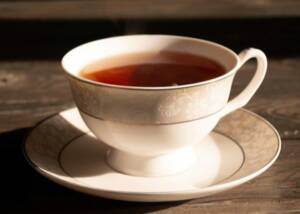
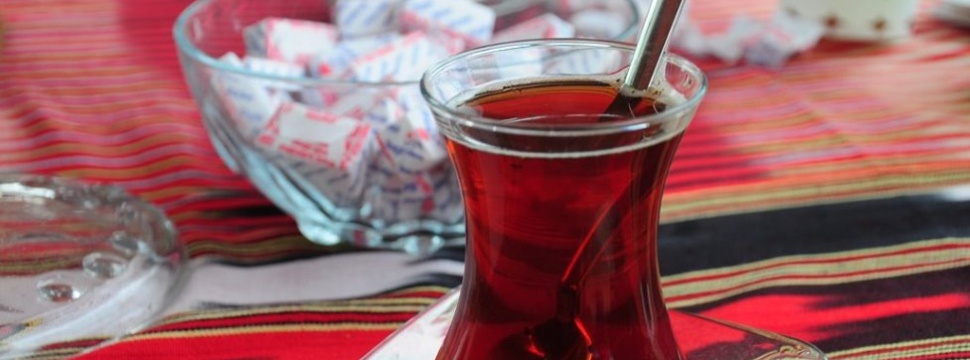
Caravan tea is ideal for brewing in a samovar or caydanlik. It can be kept warm for extended periods without losing its aroma. Traditionally, it is often served as sweetened milk tea with milk and sugar.
This robust blend can withstand larger quantities and longer steeping times, making it ideal for social tea gatherings.